

Wildfires are an important safety concern across California, particularly during periods of hot, dry, and windy weather. While wildfire risk varies by location and conditions, preparing in advance can help households respond more confidently when an emergency develops.
Wildfire preparedness is not limited to people who live near forests or open land. Smoke, road closures, power outages, and evacuation notices can affect communities beyond the immediate fire area. Understanding local risks and making an emergency plan are useful steps for California residents throughout the year.
Understanding California’s Wildfire Risks
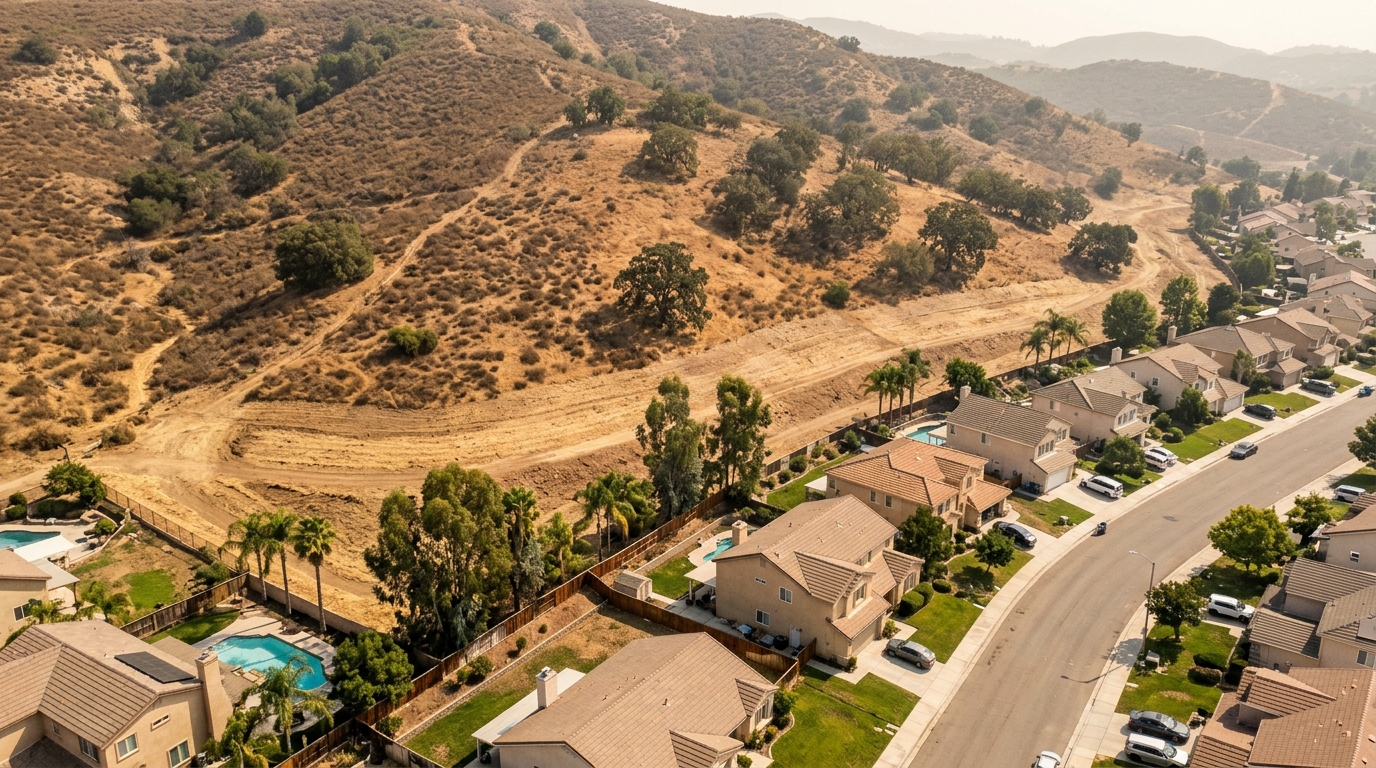
California’s varied landscapes include forests, grasslands, shrublands, mountains, and developed communities near wildland areas. Under certain conditions, fires can spread rapidly, especially when vegetation is dry and winds are strong.
Wildfire risk changes with weather, vegetation, terrain, and other local factors. Some communities face recurring seasonal threats, while others may experience smoke or disruptions from fires burning farther away.
Residents should learn about the hazards specific to their area rather than relying on general assumptions about wildfire season. Local emergency management agencies and fire authorities can provide information about regional risks, evacuation procedures, and recommended precautions.
Create a Household Emergency Plan
A household emergency plan helps everyone understand what to do if officials issue a warning or evacuation order. Discussing the plan in advance can reduce confusion when there is little time to make decisions.
Identify Meeting Places and Contacts
Choose a safe meeting place outside your immediate neighborhood in case family members become separated. Identify an out-of-area contact whom household members can call or message to share updates.
Make sure everyone knows how to contact one another and what to do if phone service becomes unreliable. Keep important contact details written down in case mobile devices run out of battery.
Plan Multiple Evacuation Routes
Identify more than one possible way to leave your neighborhood. Roads may become congested or close because of fire activity, smoke, emergency operations, or other hazards.
Learn the main roads leading away from your home and consider how children, older adults, people with disabilities, and household pets would be transported. Follow official evacuation instructions rather than choosing a route simply because it appears familiar.
Know When to Leave
Understand the difference between an evacuation warning and an evacuation order in your jurisdiction. A warning generally indicates that people should prepare to leave, while an order means people must evacuate as directed by authorities. Exact terminology and procedures can vary by agency.
If you are advised to evacuate, follow the instructions promptly. Do not delay leaving to collect additional belongings when doing so could put you at risk.
Prepare an Emergency Go-Bag
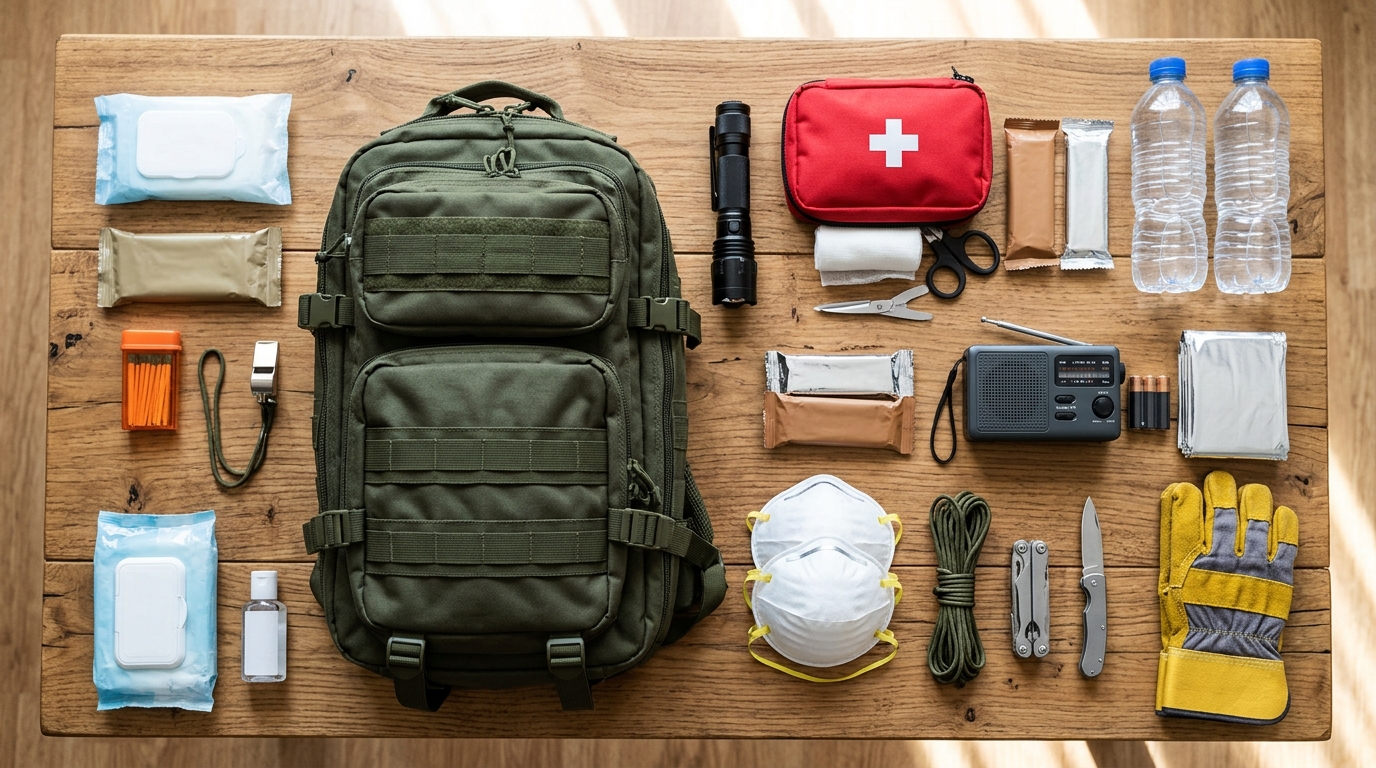
An emergency go-bag contains essential items you may need if you must leave home quickly. Prepare one for each household member and store the bags somewhere accessible.
Useful supplies may include:
- Drinking water and nonperishable food.
- Prescription medications and basic first-aid supplies.
- Identification copies and important contact information.
- Phone chargers, power banks, and a battery-powered or hand-crank radio.
- A flashlight and spare batteries.
- Extra clothing, sturdy shoes, and personal hygiene items.
- Supplies for children, older adults, or people with specific accessibility needs.
- Pet food, water, carriers, leashes, and vaccination records where applicable.
- Cash and essential items that may be difficult to replace immediately.
Store important documents in a secure, easy-to-carry format. Review your supplies periodically, replace expired items, and make sure household members know where the bags are kept.
Make Your Home and Property More Prepared
Home preparation can reduce certain wildfire hazards, although no property can be guaranteed to withstand every fire. The most appropriate measures depend on the building, surrounding vegetation, local regulations, and fire conditions.
Clear Debris Around Your Home
When conditions are safe, remove accumulated dry leaves, dead vegetation, and other combustible debris from gutters, roofs, decks, and areas immediately surrounding the home. Keep outdoor spaces orderly and store combustible materials away from buildings where practical.
Follow local fire department recommendations for vegetation management and defensible space. Some communities have specific requirements for properties in designated fire-prone areas.
Review Outdoor Equipment and Materials
Pay attention to items that could contribute to fire risk, including improperly stored fuel, dry vegetation near structures, and equipment that can create sparks. Follow manufacturer instructions and local restrictions when using outdoor machinery or tools during dry and windy conditions.
Do not burn yard waste or use open flames when prohibited by local rules or unsafe conditions. Check current restrictions before carrying out activities that could start a fire.
Prepare Important Household Information
Keep an inventory of important belongings and store essential records securely. Photos or digital copies of documents and property can help with recovery and insurance claims if your home is damaged.
Review your insurance coverage and understand how to contact your insurer. Keep relevant policy information accessible without depending on documents that could be left behind during an evacuation.
Stay Informed During Wildfire Season
Reliable information is essential when wildfire conditions change quickly. Follow official emergency alerts and updates from the agencies responsible for your area. Do not rely exclusively on social media posts, forwarded messages, or unverified reports.
California residents can use these official resources to check conditions and prepare:
- CAL FIRE provides wildfire information, prevention guidance, and incident updates.
- Ready for Wildfire offers practical guidance on evacuation planning, home preparation, and emergency readiness.
- National Weather Service provides weather forecasts, watches, and warnings.
- AirNow provides air-quality information that can help people understand smoke-related conditions.
Sign up for local emergency notifications where available, keep your phone charged, and understand how your community communicates evacuation warnings and orders. If you live in an area with limited mobile coverage, ask local authorities about alternative ways to receive emergency information.
Protect Yourself From Wildfire Smoke
Wildfire smoke can affect air quality far from an active fire. Smoke contains fine particles and other pollutants that can irritate the respiratory system and affect health, particularly for children, older adults, pregnant people, and individuals with heart or lung conditions.
Check local air-quality reports during smoke events. When air quality is poor, follow public health guidance, reduce strenuous outdoor activity, and seek cleaner indoor air when possible.
Keep windows and doors closed when outdoor smoke is heavy, if doing so is safe and practical. An appropriately sized air cleaner with a high-efficiency particle filter may help reduce indoor particle pollution. Follow official guidance about masks and respiratory protection when exposure cannot be avoided.
If you experience severe breathing difficulties, chest pain, or other serious symptoms, seek urgent medical assistance.
Prepare Children, Older Adults, and Pets
Emergency plans should account for everyone’s needs. Discuss evacuation procedures with children in an age-appropriate way so they understand where to go and whom to contact.
Households with older adults or people who need mobility assistance should plan transportation and support in advance. Keep necessary medications, mobility aids, medical equipment, and contact details accessible.
For pets, identify pet-friendly destinations and prepare carriers, leashes, food, water, and necessary supplies. Livestock owners should make arrangements for transport and suitable shelter well before fire conditions become dangerous.
What to Do When a Wildfire Threatens Your Area
If a wildfire approaches your community, monitor official instructions and be ready to act. Charge mobile devices when possible, gather essential supplies, and keep vehicles fueled or charged if it is safe to do so.
When an evacuation order is issued, leave using the designated or recommended routes. Avoid driving toward smoke or fire activity, and never enter closed roads or restricted areas. Emergency personnel may change routes as conditions develop, so follow their directions.
If you encounter heavy smoke while driving, slow down appropriately, increase following distance, and avoid entering areas where visibility is unsafe. If conditions become dangerous, follow emergency instructions and seek a safe location rather than continuing into an uncertain route.
Never return to an evacuated area until authorities confirm that it is safe. Fire activity, damaged infrastructure, downed power lines, and hazardous debris can remain dangerous after flames are no longer visible.
Make Wildfire Preparedness a Year-Round Habit
Although wildfire activity can increase during certain seasons, preparedness is useful throughout the year. Review your household plan, update emergency contacts, refresh supplies, and discuss any changes in household needs.
Consider checking on neighbors who may need assistance understanding local alerts or preparing to evacuate. Community preparedness works best when people share reliable information and respect official emergency instructions.
Taking these steps does not eliminate wildfire risk, but it can help households make informed decisions and respond more effectively when conditions change.
Stay Informed With CaliEcho
Understanding local risks is an important part of living in California. From transportation and public safety to community developments and useful local resources, staying informed can help you prepare for the situations that affect everyday life.
Explore more CaliEcho articles for practical information, community stories, and updates about the people and places shaping the Golden State. For immediate wildfire threats, always prioritize instructions from local emergency authorities and official public safety agencies.