
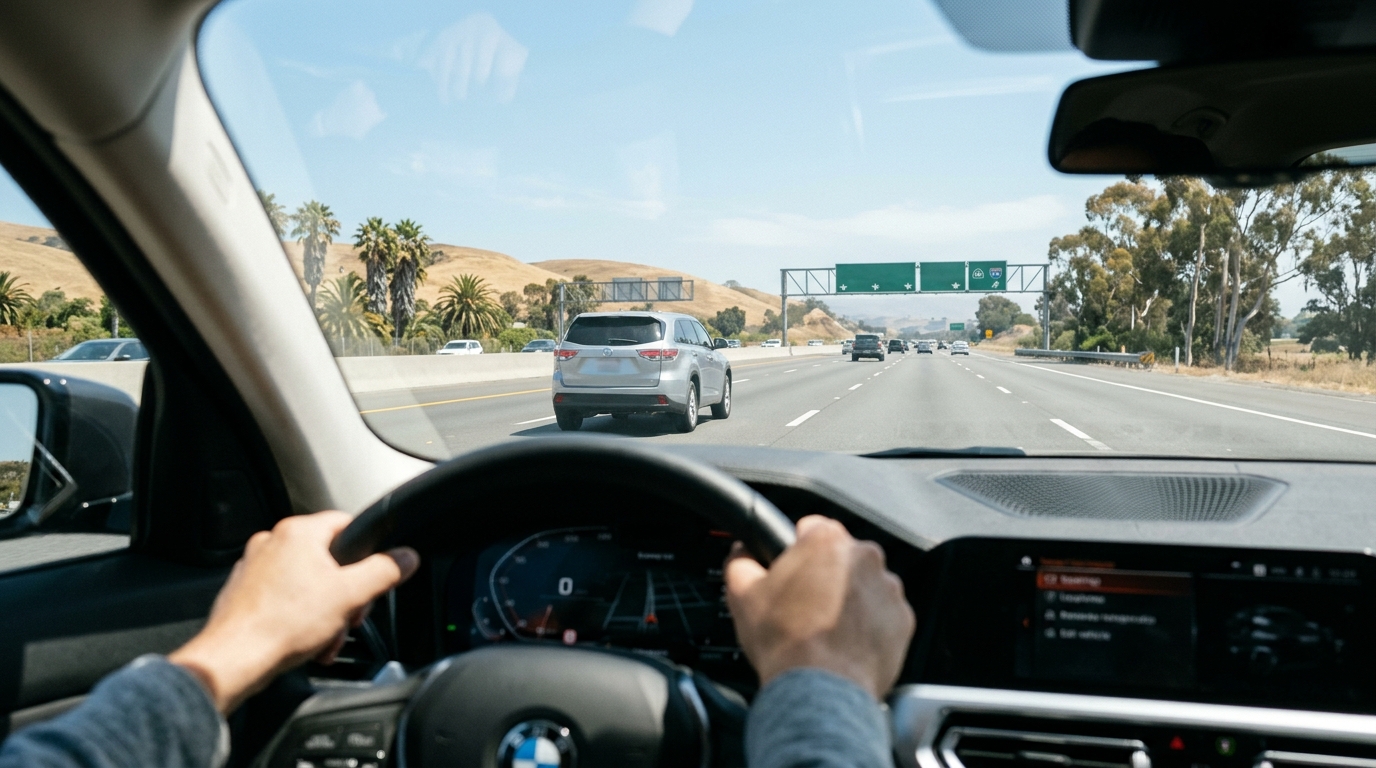
California’s roads connect busy metropolitan areas, coastal communities, agricultural regions, and scenic destinations. From crowded urban streets to long stretches of highway, drivers encounter different traffic conditions throughout the state. Understanding basic road safety practices can help motorists make better decisions and reduce preventable risks.
Whether you’re commuting to work, running errands, or planning a road trip, safe driving begins with preparation and awareness. By following traffic laws, staying focused, and adjusting to changing road conditions, drivers can contribute to safer journeys for themselves and others.
Understand California’s Road Conditions
California has a diverse transportation network, including urban streets, multilane freeways, mountain roads, and rural highways. Each environment presents different challenges that require drivers to remain alert and adjust their driving accordingly.
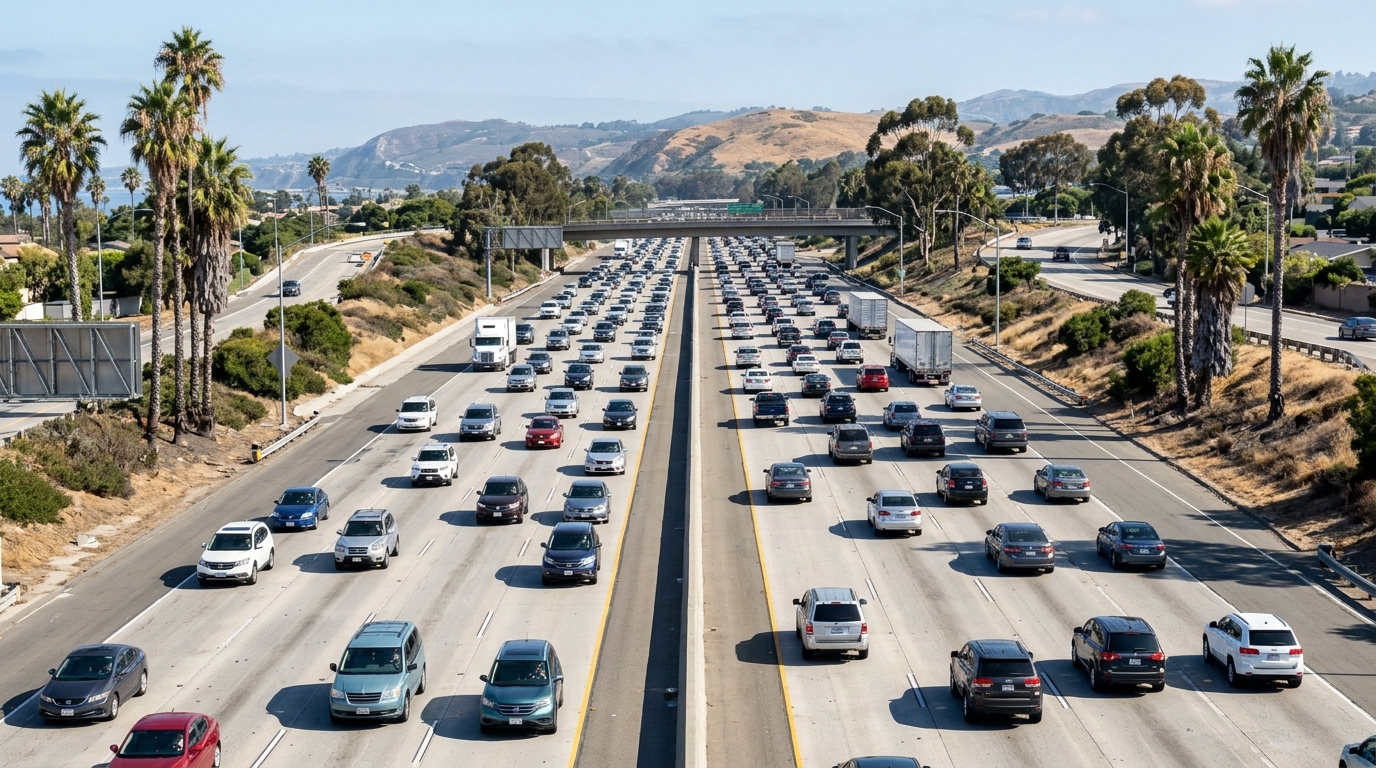
In busy cities, traffic congestion, pedestrians, cyclists, and frequent stops require careful attention. On freeways, vehicles travel at higher speeds, making it important to maintain a safe following distance and anticipate changes in traffic flow. Rural and mountain roads may include sharp curves, limited visibility, steep grades, or changing weather conditions.
Before setting out on an unfamiliar route, review your directions, check current traffic conditions, and allow enough time to reach your destination without rushing.
Practice Defensive Driving
Defensive driving means anticipating potential hazards and making decisions that help prevent collisions. Instead of focusing only on the vehicle immediately ahead, drivers should remain aware of surrounding traffic, road conditions, and possible changes in other motorists’ behavior.
Maintain adequate space between your vehicle and the one in front of you. Avoid sudden lane changes, signal before turning or merging, and check your mirrors and blind spots before moving into another lane. When traffic slows, reduce your speed gradually whenever possible and remain prepared for unexpected stops.
It’s also important to remain patient when encountering aggressive drivers. Avoid retaliating, racing another vehicle, or engaging in confrontations. Give other motorists space and prioritize reaching your destination safely.
Avoid Distracted Driving
Distractions can take your attention away from the road, even when they last only a few seconds. Looking at a phone, adjusting navigation, eating, or reaching for an object can interfere with your ability to notice hazards and react quickly.
Before driving, set your navigation route, adjust your mirrors, and organize anything you may need during the trip. Keep your attention on driving and pull over in a safe, legal location if you need to handle a task that requires your focus.
California law generally prohibits drivers from holding and operating a cellphone while driving, subject to limited legal exceptions. Drivers should review current state requirements and use legally permitted hands-free options when necessary. Remember that hands-free use can still distract you from the road.
Respect Speed Limits and Road Signs
Speed limits are established to help manage traffic and reduce risks under expected road conditions. However, driving at or below the posted limit does not automatically make every situation safe. Rain, fog, heavy traffic, road construction, and limited visibility may require a lower speed.
Pay attention to warning signs, lane markings, construction notices, and temporary traffic controls. Reduce your speed when approaching work zones and give road workers and other vehicles sufficient space.
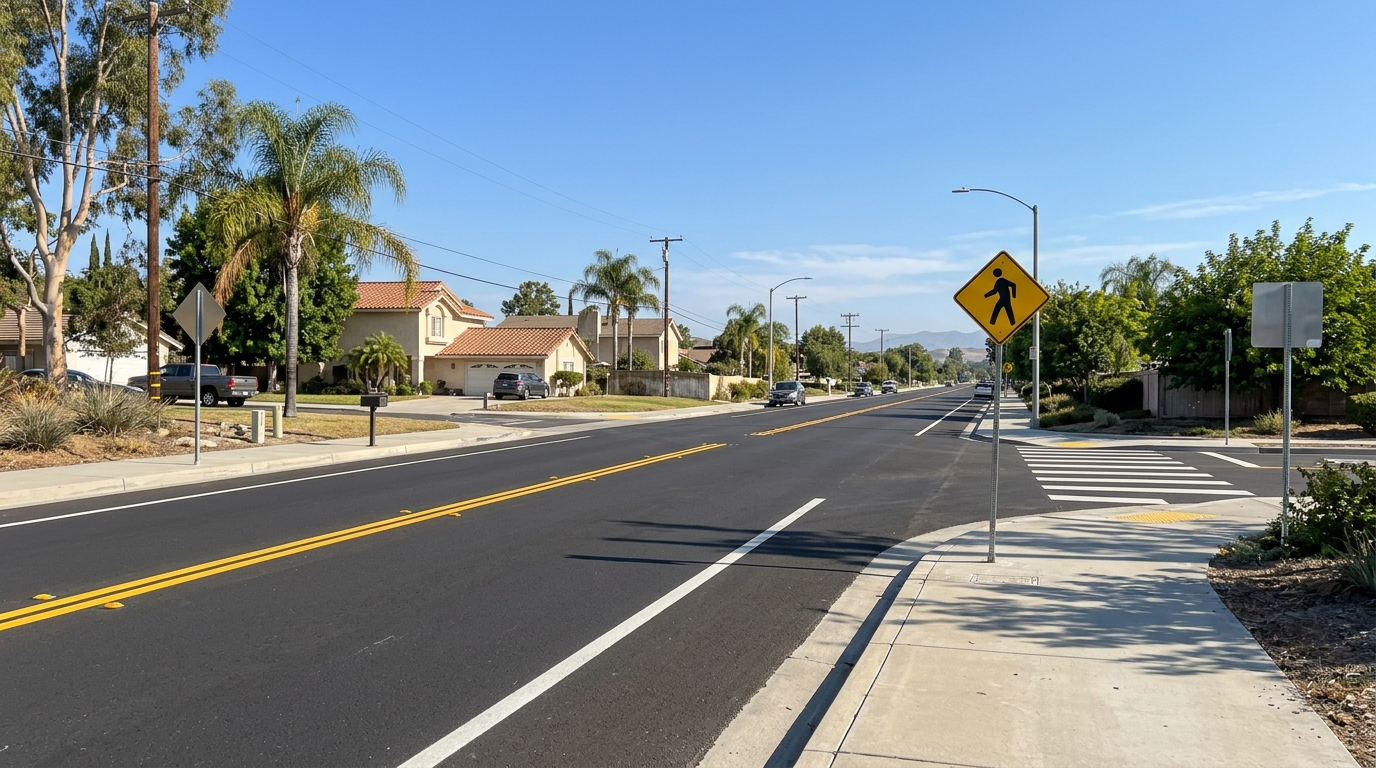
When driving near schools, residential neighborhoods, crosswalks, and areas with pedestrians or cyclists, remain especially attentive and follow the applicable traffic rules.
Prepare Your Vehicle Before Every Trip
Vehicle maintenance plays an important role in road safety. Tires, brakes, lights, windshield wipers, and other essential components should be checked regularly to help ensure that your vehicle is ready for the road.
Before a long journey, inspect your tires for visible damage and check that they are properly inflated according to the vehicle manufacturer’s recommendations. Make sure your headlights, brake lights, and turn signals work correctly, and address unusual noises or warning lights before they become more serious problems.
It’s also helpful to keep an emergency kit in your vehicle. Consider including drinking water, a flashlight, a first-aid kit, a phone charging cable or power bank, and basic supplies appropriate for your route and the season.
Adjust Your Driving to Weather Conditions
California experiences a wide range of weather conditions, from coastal fog and winter rain to mountain snow and extreme summer heat. Conditions can change quickly, especially when traveling between different elevations or regions.
On wet roads, slow down when appropriate, increase your following distance, and avoid sudden braking or sharp steering movements. During fog, use the appropriate headlights and reduce speed when visibility is limited. Never continue driving if conditions become too dangerous to proceed safely.
When traveling through mountain areas during winter, check road restrictions and weather advisories before departure. Carry any legally required equipment and follow instructions from transportation authorities. During periods of extreme heat, ensure your vehicle is properly maintained and bring sufficient water for your trip.
Share the Road Responsibly
California roads are shared by motorists, motorcyclists, cyclists, pedestrians, public transportation vehicles, and emergency responders. Responsible driving means recognizing that everyone has a role in maintaining safer streets and highways.
Check carefully for pedestrians when approaching intersections and crosswalks. Give cyclists the space required by law when passing, and look for motorcycles before changing lanes. Avoid blocking intersections and yield when required by traffic signals, signs, and applicable laws.
When you see an emergency vehicle approaching with its warning signals activated, respond calmly and follow California’s applicable rules for yielding and safely clearing the way.
Plan Ahead for Safer Journeys
A safer trip often begins before you start the engine. Check your route, allow extra travel time, and review traffic, weather, and road closure information when relevant. If you feel tired, arrange a break or another safe option rather than continuing when you cannot remain alert.
For current road conditions and transportation information, consult official resources such as Caltrans and the California Highway Patrol. These agencies provide information that can help drivers make informed travel decisions.
Make Road Safety a Daily Habit
Safer roads depend on consistent decisions made by drivers and everyone else using the transportation network. Remaining focused, following traffic laws, maintaining your vehicle, and respecting other road users can help reduce avoidable risks.
Every journey is an opportunity to make responsible choices. Whether you’re traveling a few blocks or crossing the state, take the time to prepare, stay aware of your surroundings, and adapt to the conditions around you.
At CaliEcho, we share information about transportation, public safety, and community developments that affect everyday life in California. Explore more of our stories to stay informed about the topics that matter to communities across the Golden State.